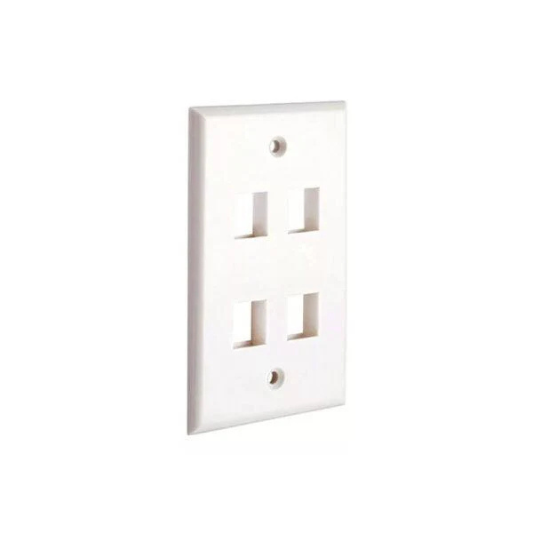
About Ethernet Wall Plates
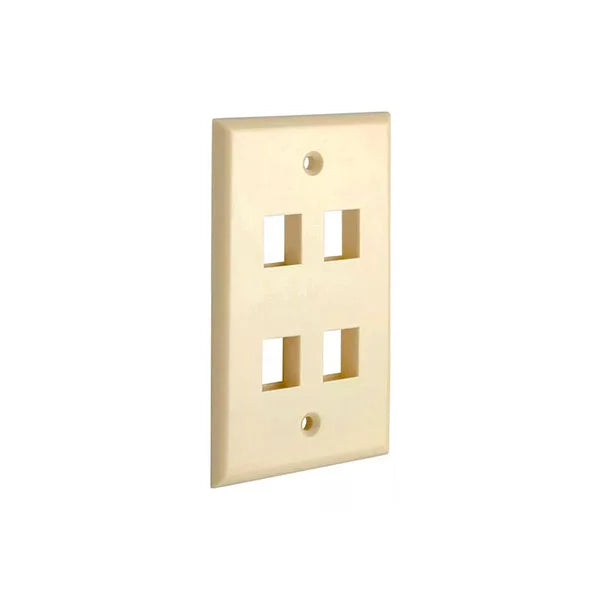
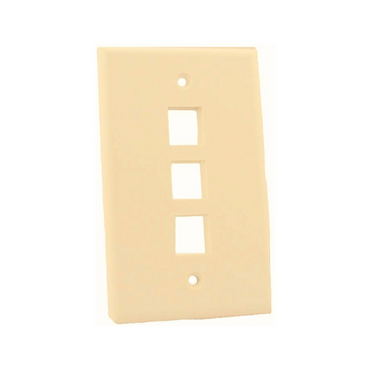
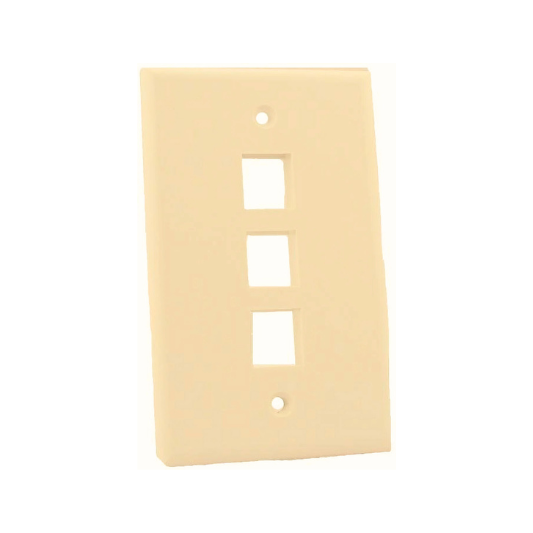
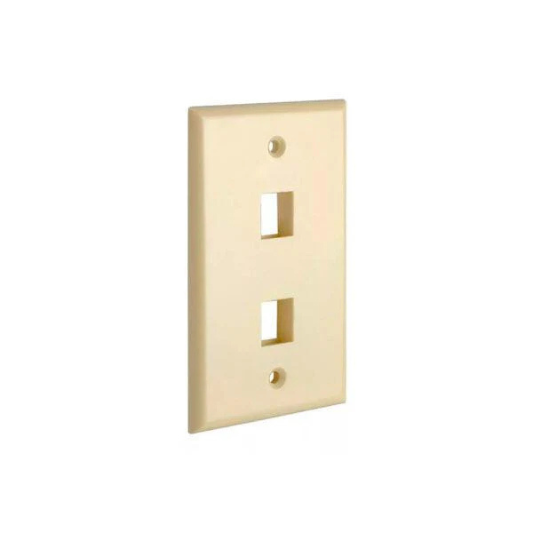
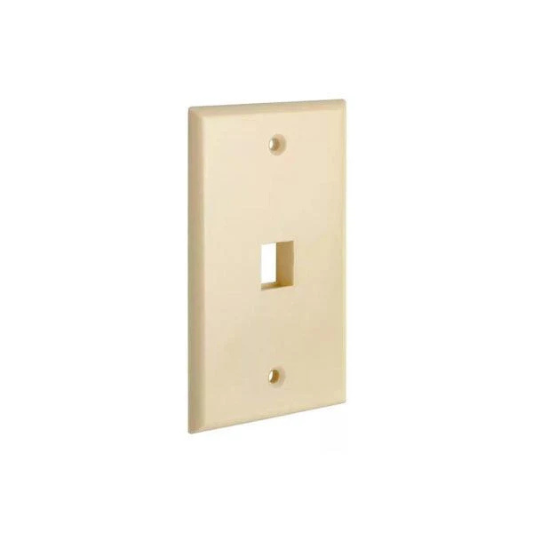
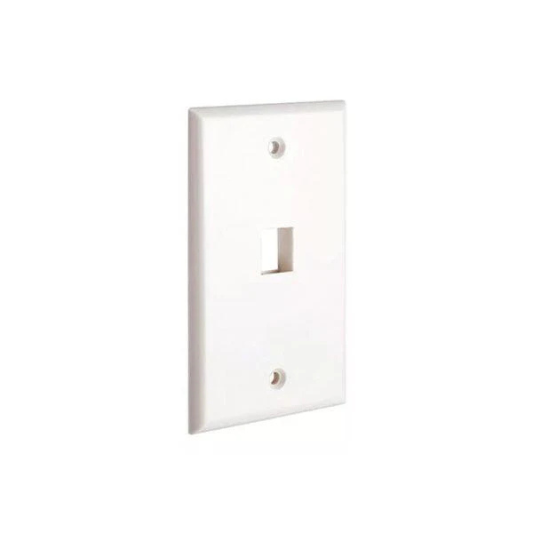
Ethernet wall plates provide a clean and finished way to access wired network connections. This collection focuses on wall-mounted plates designed to hold Ethernet ports securely while keeping cables hidden behind walls.
Ethernet wall plates are widely used in offices, homes, and commercial spaces where organized cabling improves both function and appearance. They help protect cable terminations from dust and damage while making network ports easy to reach. With simple installation and standardized sizing, these plates support tidy and dependable network layouts.
|
Feature
|
Value / Spec
|
Standards Compliance
|
Professional Notes
|
|
Port Density
|
1, 2, 4, or 6-Port
|
NEMA Standard
|
Single-gang plates usually max out at 6 ports for Ethernet.
|
|
Configuration
|
Single or Double Gang
|
ANSI/TIA-568
|
Double-gang is used for high-density AV/Data hybrid setups.
|
|
Orientation
|
Vertical or Angled
|
ADA Compliant
|
Angled ports reduce cable strain and allow furniture to sit closer to the walls.
|
|
Material
|
Impact Resistant Polycarbonate
|
UL Listed
|
Look for "smooth" finishes that resist dust and are easy to clean.
|
Clean Wall Integration
Ethernet wall plates sit flush against walls. This creates a neat appearance while keeping network connections easily accessible.
Secure Port Mounting
The plate holds Ethernet jacks firmly in place. This prevents cable movement during plug-in or removal.
Durable Faceplate Materials
Sturdy materials resist cracking and wear. This ensures long-term use in high-traffic areas.
Standard Fit Design
Most Ethernet wall plates fit common electrical boxes. This simplifies installation across different building types.
Single-Port Ethernet Wall Plates
These plates support one Ethernet connection. They work well for individual workstations or home offices.
Multi-Port Ethernet Wall Plates
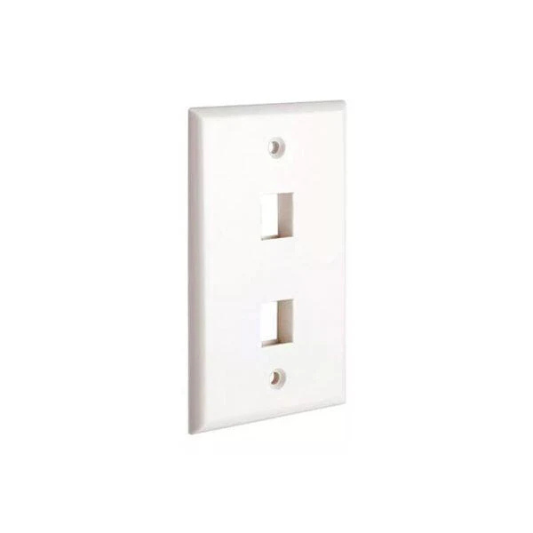
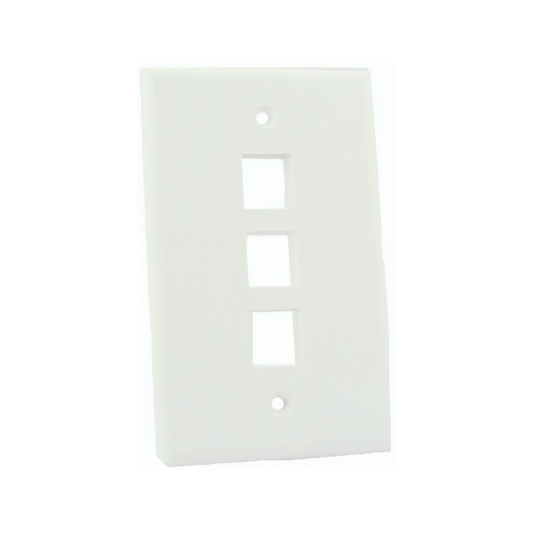
Multiple ports allow several network connections from one location. This is useful in conference rooms or media areas.
Blank and Insert Plates
These plates allow custom configurations. Installers can add or change ports as network needs grow.
Low-Profile Ethernet Wall Plates
Slim designs reduce wall protrusion. They are useful in tight spaces or modern interiors.
Office Workspaces
Ethernet wall plates provide reliable wired access for computers, printers, and phones.
Residential Networking
Homes benefit from organized network outlets that keep cables hidden and rooms clutter-free.
Conference and Meeting Rooms
Multiple Ethernet ports support presentations, video calls, and shared network access.
Commercial Installations
Retail and professional spaces rely on wall plates for clean and secure network connections.
Create neat and accessible wired connections using high-quality Ethernet wall plates from TS Cables.
How to install an Ethernet wall plate?
Terminate the Ethernet cable onto a keystone jack, snap it into the wall plate, and secure the plate to the wall box.
How to connect Ethernet wall plates?
Use a patch cable to connect devices to the wall plate, while the rear keystone jack connects to in-wall cabling routed to a patch panel or switch.
How to wire two Ethernet wall plates together to pass through?
Run an Ethernet cable between the two wall plates, ensuring proper termination on both ends following T568A or T568B standards.
How to wire a combination Ethernet cable, coaxial cable, and wall plate?
Terminate Ethernet into the RJ45 keystone port and coaxial into the F-type connector, then install the plate into the same wall box.
Where can I buy Ethernet wall plates?
Ethernet wall plates are available from structured cabling suppliers, hardware stores, and online distributors specializing in networking equipment.