Skip to content

Cat6 Pure Copper — Buy More, Save More with Bulk Pricing

Check Now!

Cat6 Pure Copper — Buy More, Save More with Bulk Pricing

Check Now!

Cat6 Pure Copper — Buy More, Save More with Bulk Pricing

Check Now!

Cat6 Pure Copper — Buy More, Save More with Bulk Pricing

Check Now!

Cat6 Pure Copper — Buy More, Save More with Bulk Pricing

Check Now!

Cat6 Pure Copper — Buy More, Save More with Bulk Pricing

Check Now!

Cat6 Pure Copper — Buy More, Save More with Bulk Pricing

Check Now!

Cat6 Pure Copper — Buy More, Save More with Bulk Pricing

Check Now!

Cat6 Pure Copper — Buy More, Save More with Bulk Pricing

Check Now!

Cat6 Pure Copper — Buy More, Save More with Bulk Pricing

Check Now!

Cat6 Pure Copper — Buy More, Save More with Bulk Pricing

Check Now!

Cat6 Pure Copper — Buy More, Save More with Bulk Pricing

Check Now!

Cat6 Pure Copper — Buy More, Save More with Bulk Pricing

Check Now!

Cat6 Pure Copper — Buy More, Save More with Bulk Pricing

Check Now!

Cat6 Pure Copper — Buy More, Save More with Bulk Pricing

Check Now!

Cat6 Pure Copper — Buy More, Save More with Bulk Pricing

Check Now!

Cat6 Pure Copper — Buy More, Save More with Bulk Pricing

Check Now!

Cat6 Pure Copper — Buy More, Save More with Bulk Pricing

Check Now!

Cat6 Pure Copper — Buy More, Save More with Bulk Pricing

Check Now!

Cat6 Pure Copper — Buy More, Save More with Bulk Pricing

Check Now!

Cat6 Pure Copper — Buy More, Save More with Bulk Pricing

Check Now!

Cat6 Pure Copper — Buy More, Save More with Bulk Pricing

Check Now!

Cat6 Pure Copper — Buy More, Save More with Bulk Pricing

Check Now!

Cat6 Pure Copper — Buy More, Save More with Bulk Pricing

Check Now!

Cat6 Pure Copper — Buy More, Save More with Bulk Pricing

Check Now!

Discount Applied - You're Saving More

Fiber Patch Cords

About Fiber Patch Cords

Patch cords are short fiber cables with connectors on both ends. They link switches and servers with transceivers and patch panels across a rack or a room. Some people call them patch leads or jumpers. The job stays the same for all of them. They carry light from one port to the next with as little loss as possible.

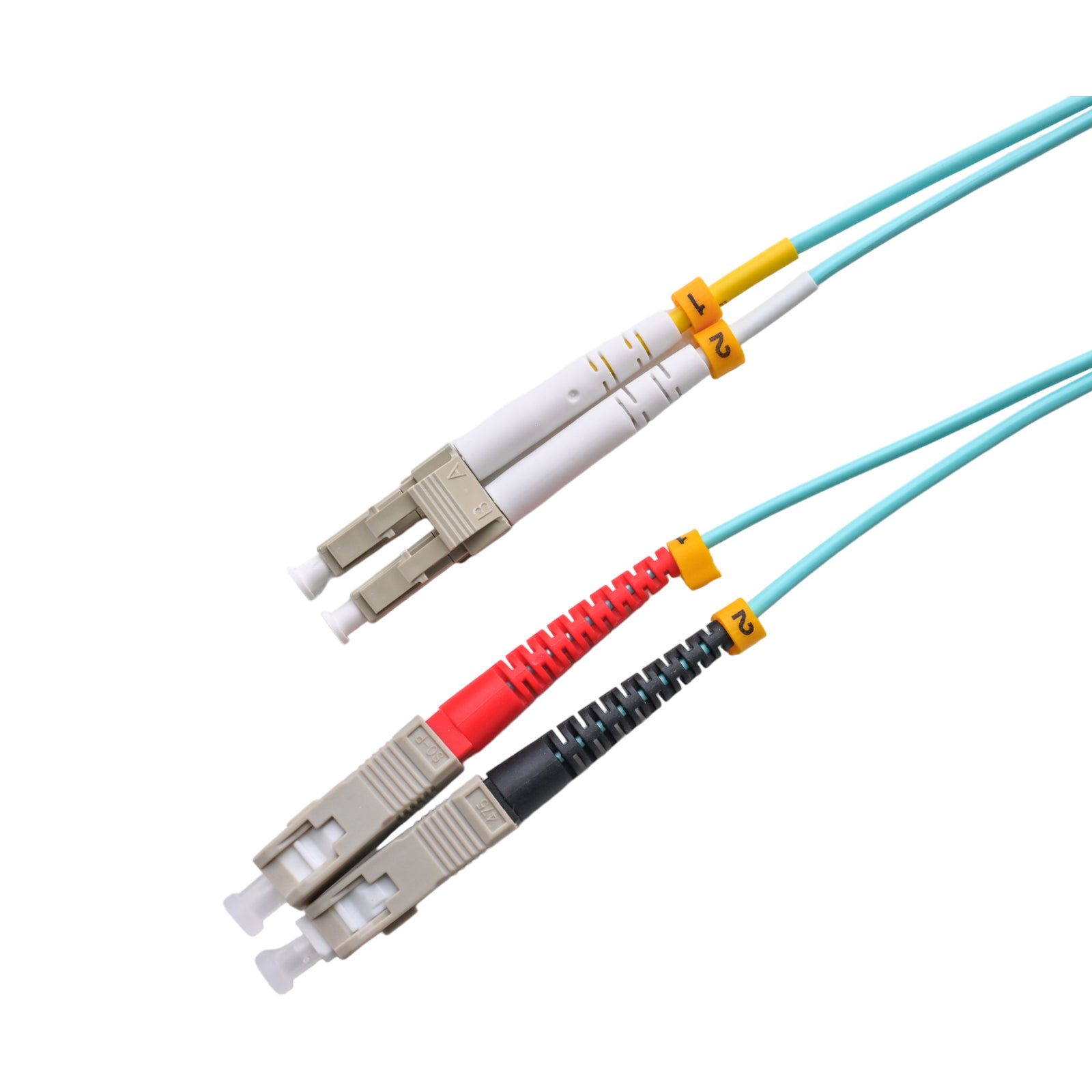
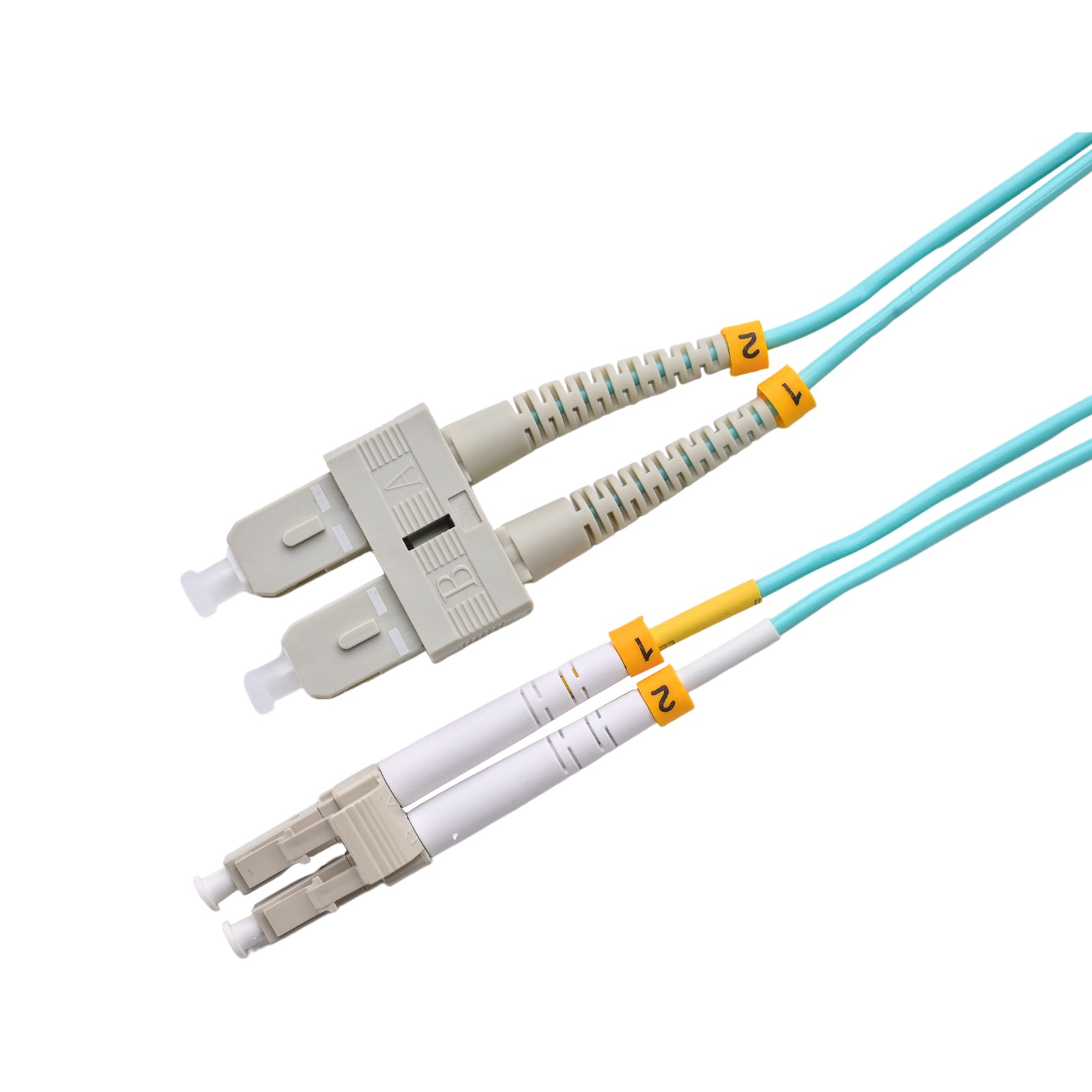
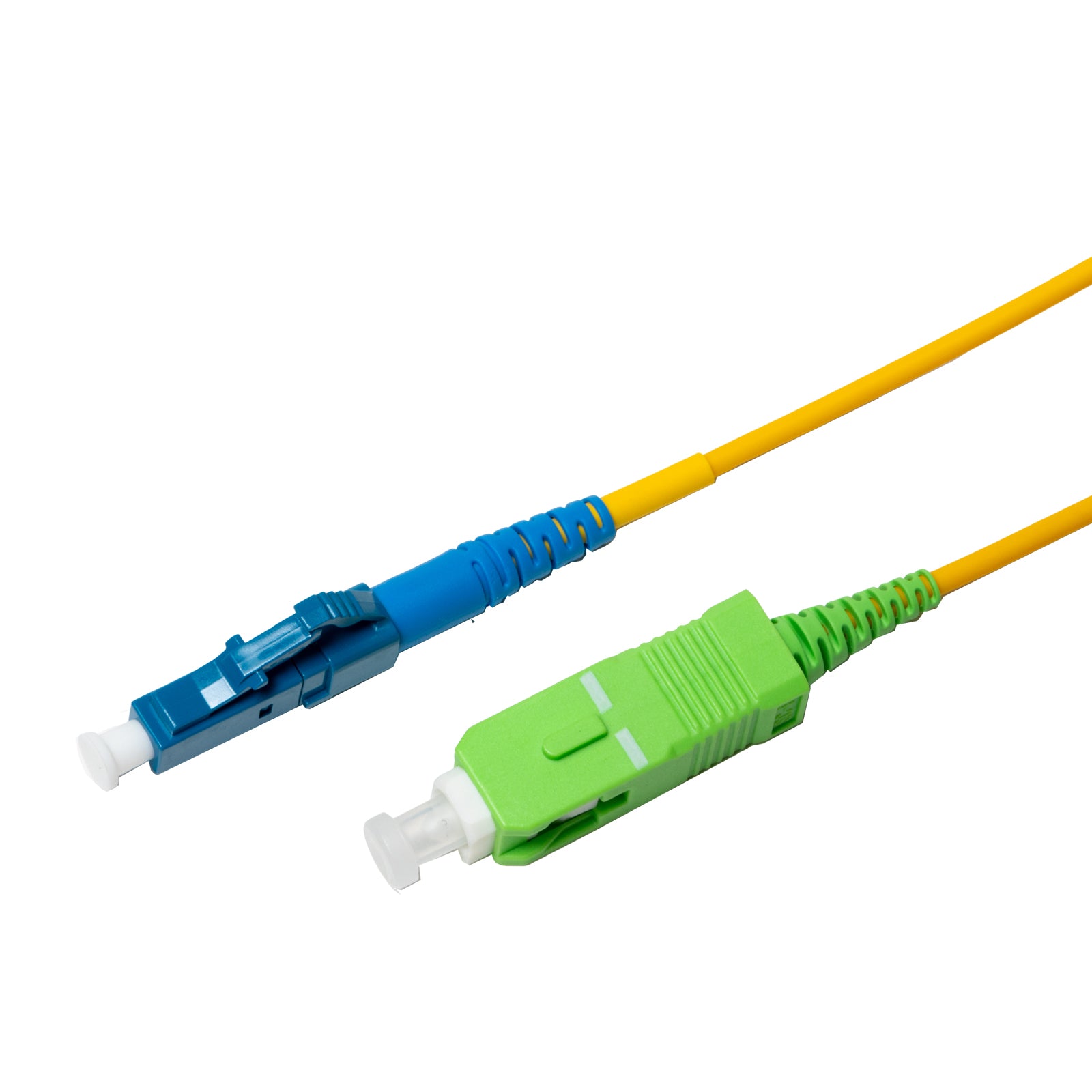
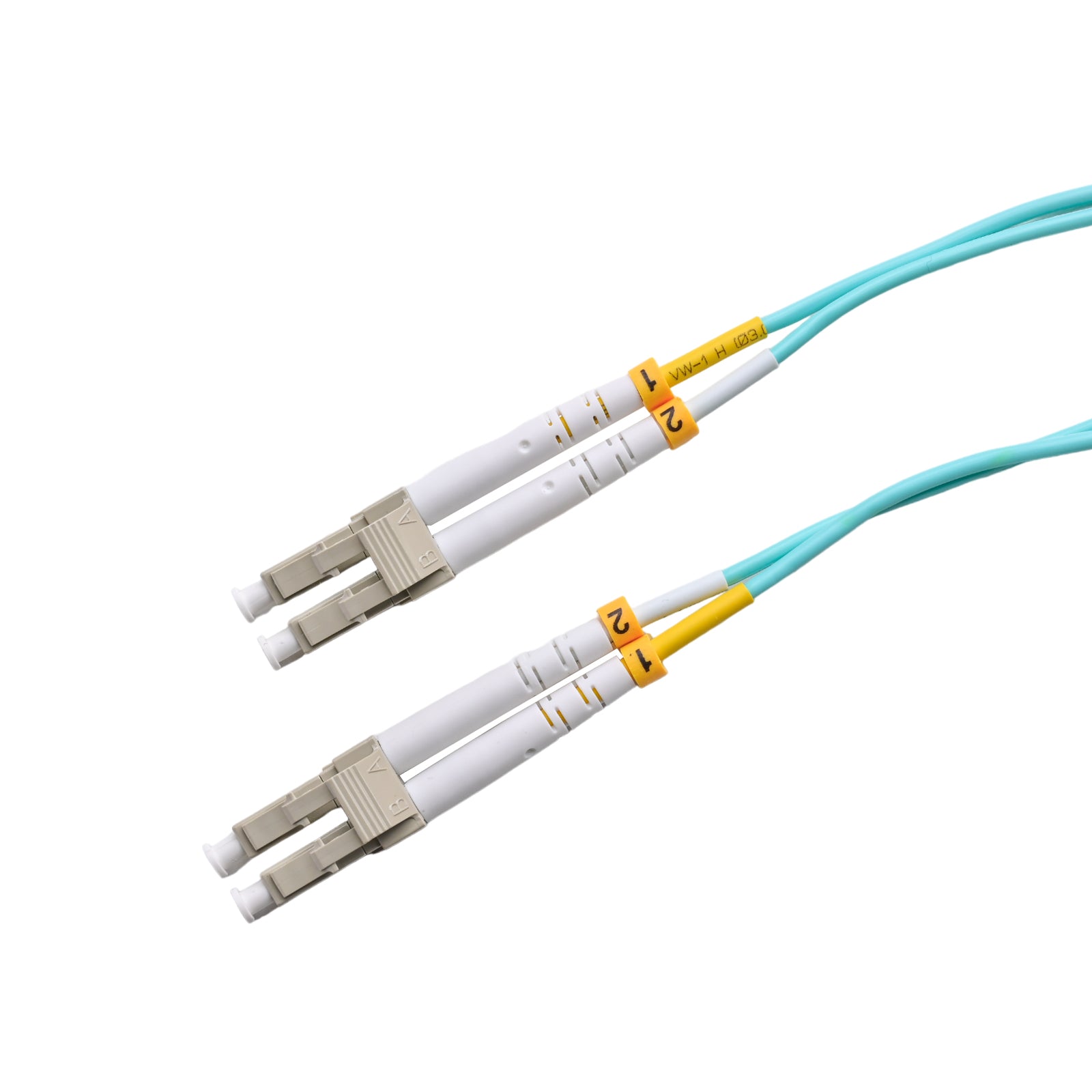
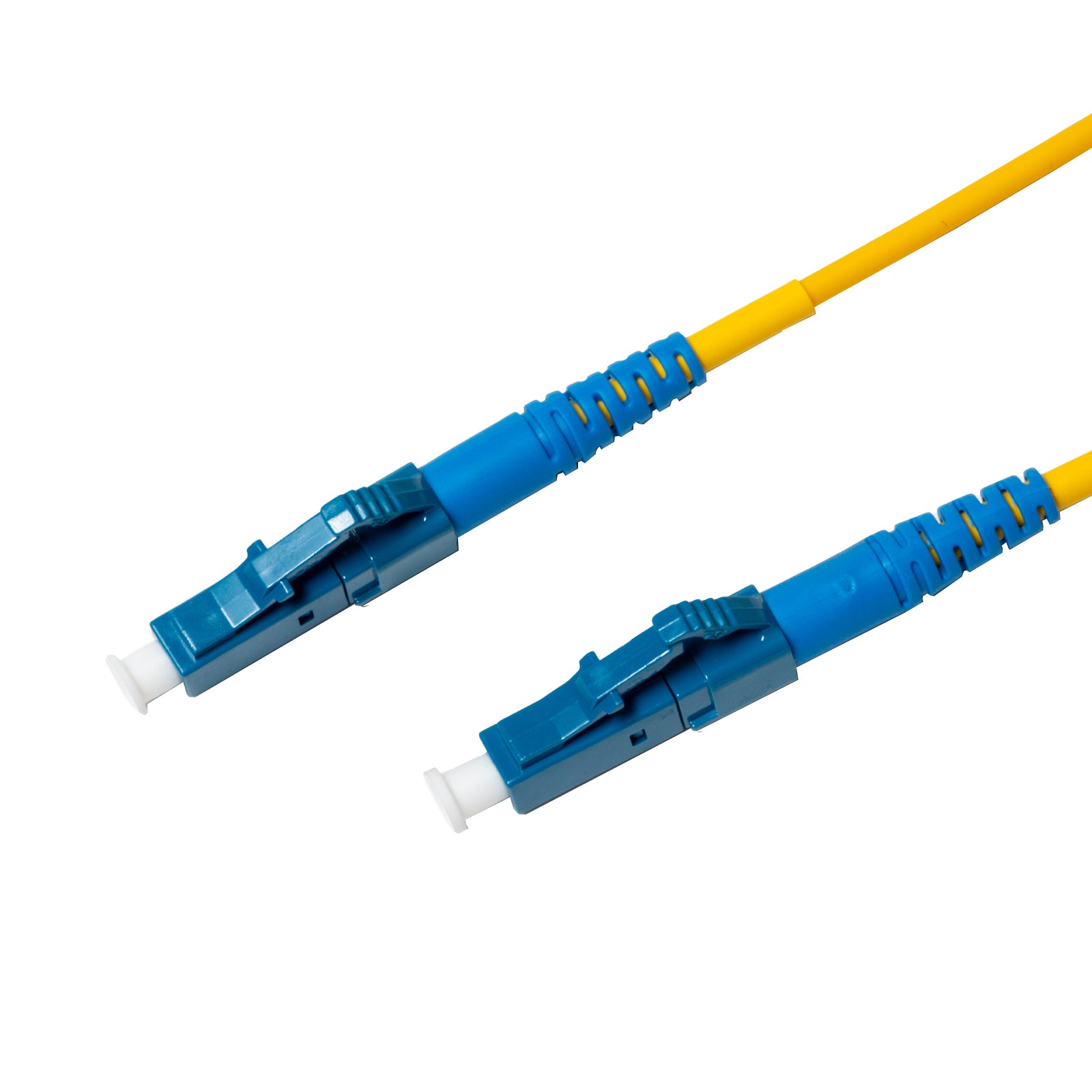
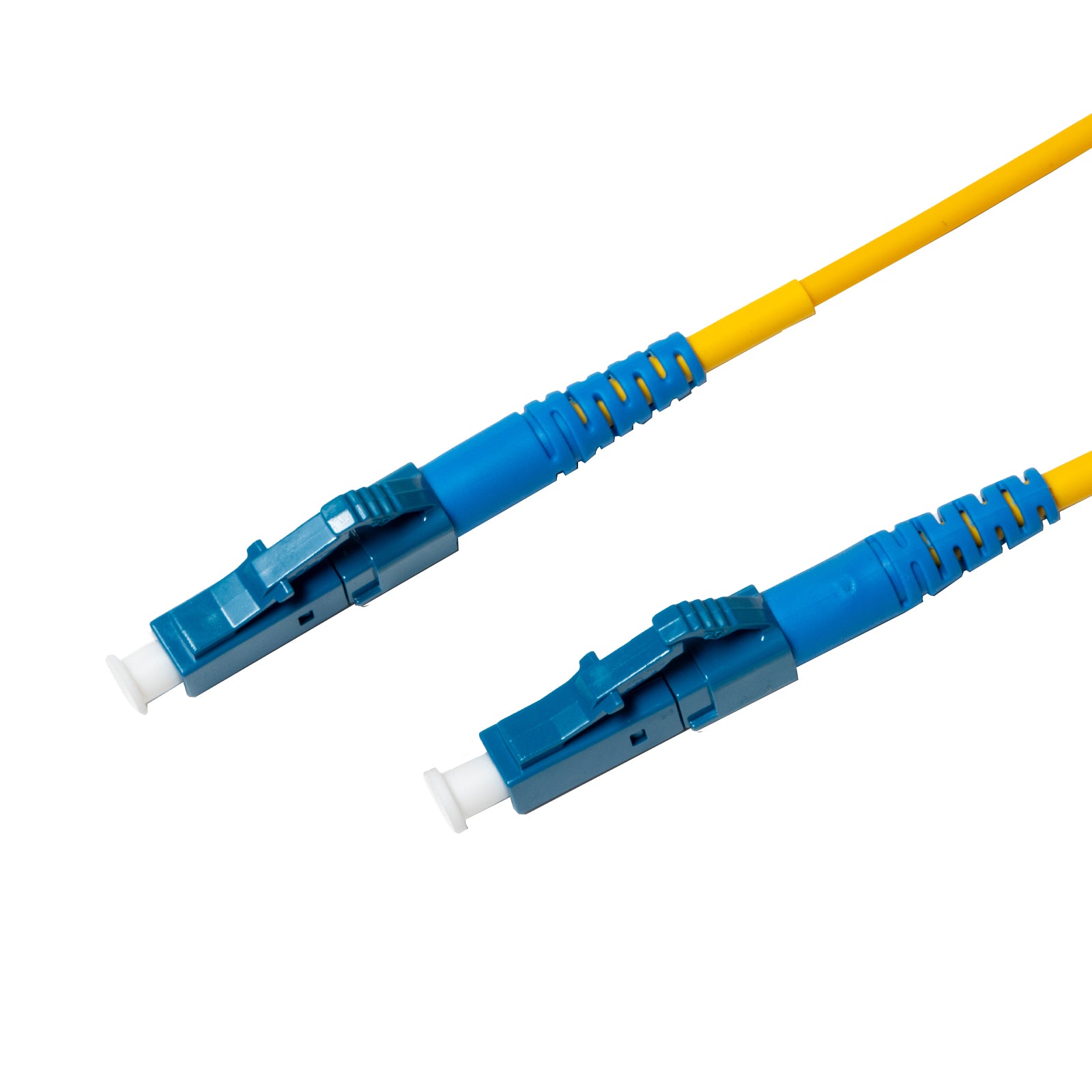
Our fiber patch cables come in multimode and single-mode versions with LC and SC connectors in duplex zipcord styles. Each cord is factory terminated and tested. You get a clean connection the moment it clicks into place. Sizes, fiber grades, and jacket colors make it easy to match every cord to your network design.

Criteria Details
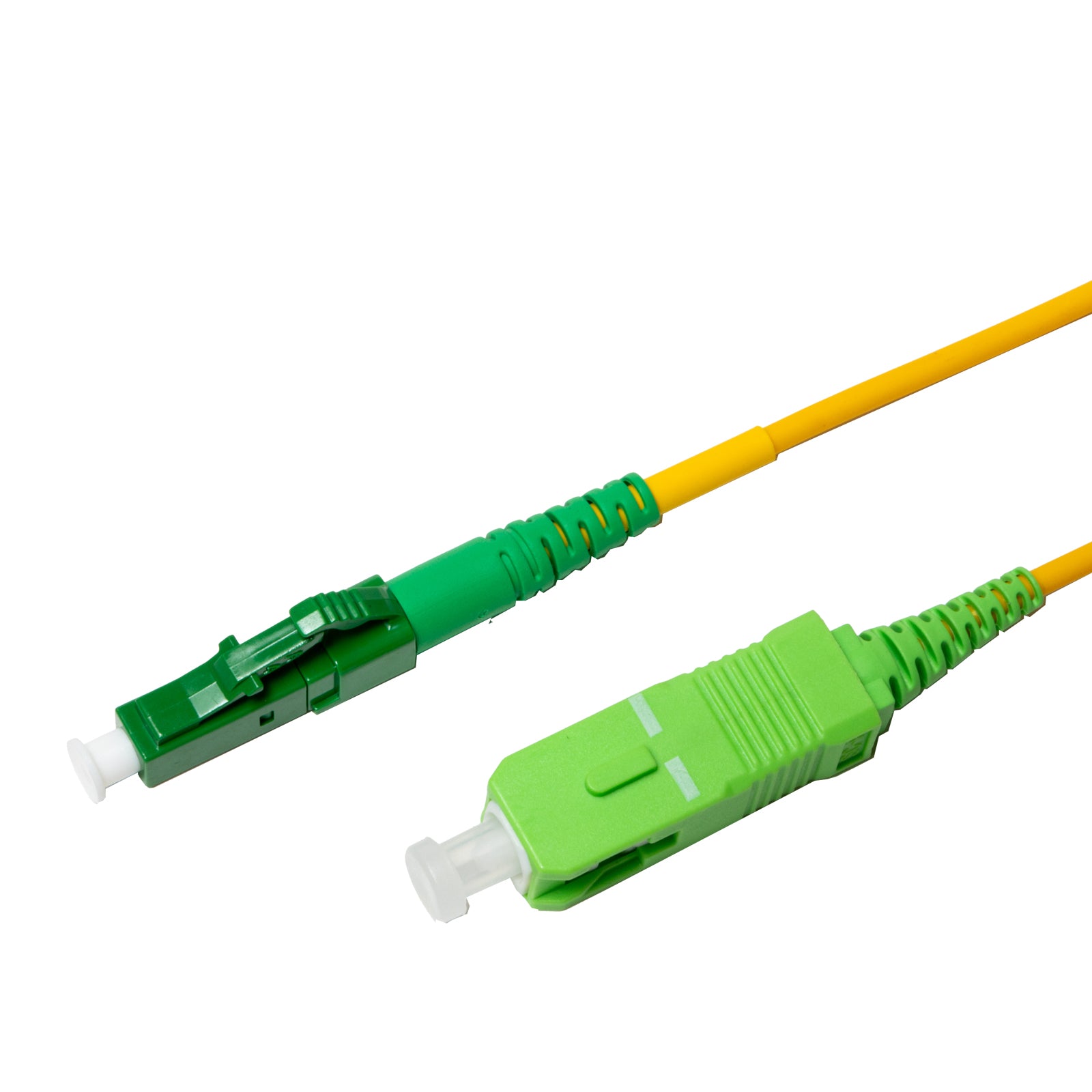
Connector Types LC/UPC, SC/UPC, LC to SC hybrids
Fiber Types
  • OM4 and OM3 multimode (50 µm core)
  • OM1 (62.5/125 µm)
  • OS2 single-mode (9/125 µm)
Configuration Duplex zipcord, simplex
Cable Diameter 2.0 mm
Jacket Rating Riser (OFNR)
Jacket Color Aqua (OM3/OM4), orange (OM1), yellow (OS2)
Polish UPC (APC available for single-mode)
Polarity A-to-B duplex
Supported Speeds 1G to 100G, depending on fiber grade and transceiver

Factory-Terminated and Tested

Every optical fiber patch cord is polished and checked for insertion loss before it leaves the factory. That consistency matters in a busy rack. A single dirty or poorly polished end face can drag down a whole link, and nobody wants to chase that problem at 2 a.m.

OM4 for High-Speed Links

OM4 fiber is laser-optimized multimode glass with a 50 µm core. It supports 10G up to about 400 meters and 100G SR4 up to about 100 meters. For most data center and campus links, it hits the sweet spot between price and performance. OM3 cable remains a solid choice for shorter 10G runs.

Duplex Zipcord Design

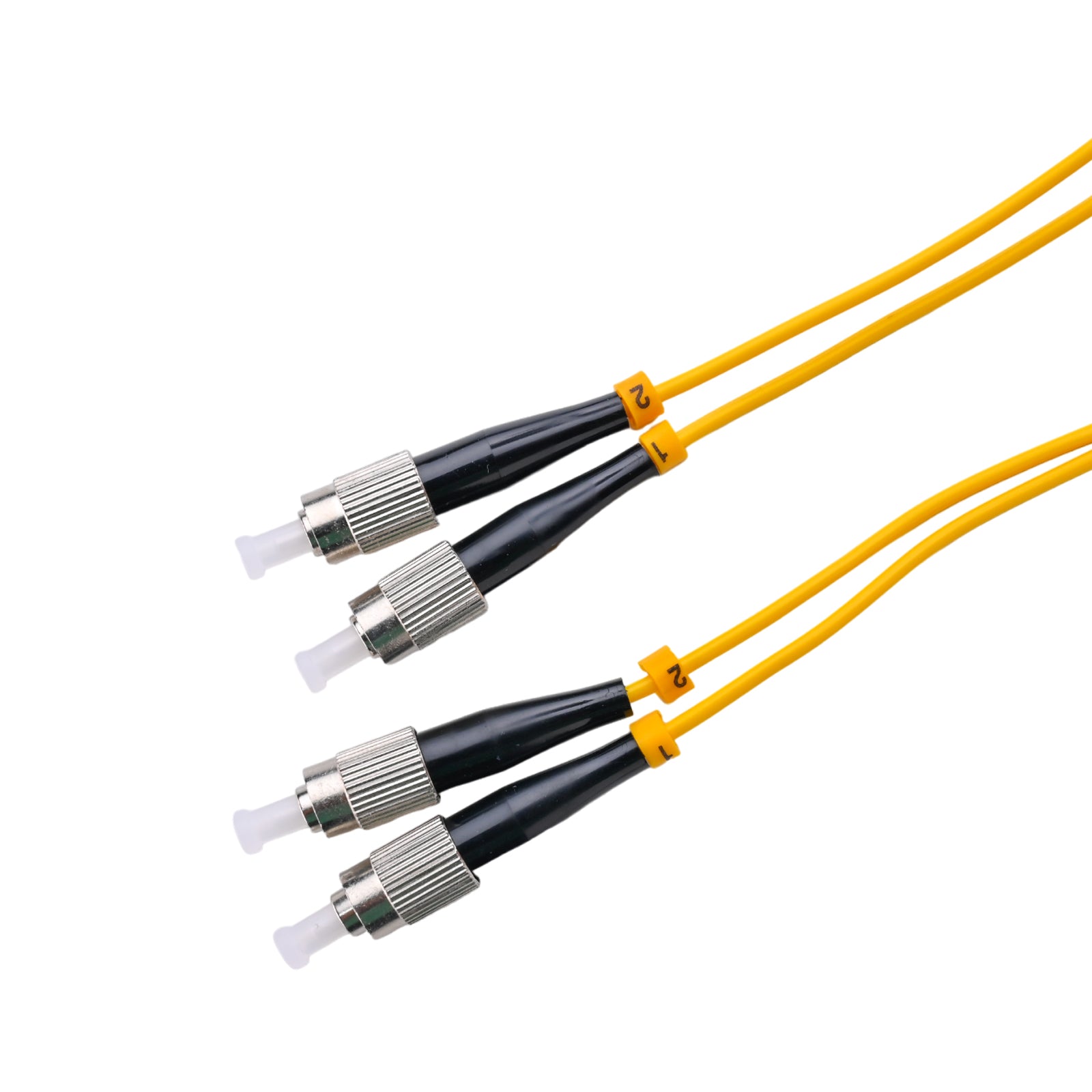
Two fibers sit side by side. One is for transmit, and the other is for receiving. You can unzip the ends to reach ports that sit a little apart. The 2.0 mm jacket stays flexible enough for tight cable managers yet tough enough for daily moves.

Riser-Rated Jackets

OFNR jackets meet fire codes for vertical runs between floors and for general indoor use. Color coding also tells you the fiber type at a glance. This prevents mixing multimode and single-mode cords in the same panel.

Switch-to-Server Connections

Short LC duplex cords link top-of-rack switches to server NICs. Our LC to LC OM4 duplex patch cord suits 10G and 25G SFP+ and SFP28 ports.

Patch Panel Cross-Connects

Patch cords allow for easy moves and changes. Change one jumper at the panel rather than contact the permanent fiber backbone behind the panel. This helps prevent the back from wear and possible bends.

Mixed-Connector Equipment

Older gear often uses SC ports, while newer switches use LC. A hybrid cord such as our SC to LC OM4 duplex patch cord bridges the two without adapters.

Campus and Building Networks

Multimode fiber handles links between floors and nearby buildings. When distances are greater than a few hundred meters, single-mode glass takes over. It maintains the signal's strength for kilometers.

What's the difference between single-mode and multimode patch cables?

Single-mode has a 9 µm core for long distances. Multimode has a 50 or 62.5 µm core for shorter and economical links within buildings and data centers.

What is the 50/125 on a patch cord?

It refers to the inner diameter and outer diameter of the core and cladding in microns. This is a 50 µm core in a 125 µm cladding for OM2, OM3, OM4, and OM5 fiber.

Is it possible to connect OM3 and OM4 cables?

They are both fine, with the same 50 µm core. The link performs at the lower grade, so match grades for full OM4 reach.

Why choose LC connectors over SC?

LC connectors are half the size of SC. They fit more ports into a panel or switch. This is why most modern transceivers use LC.

How should I clean my patch cables?

Inspect and clean each connector before plugging it in. A one-click cleaner removes dust that can raise loss or damage the mating end face.

What is the minimum bend radius for patch cords?

A common rule is ten times the cable diameter when idle. For a 2.0 mm cord, that's about 20 mm. Tighter bends can increase loss.